Entrepreneurship
in Uganda
How does our social enterprise program work?
Three of our four Ugandan partner schools currently have successful social enterprise programs that include a handful of operating businesses. Here’s how this program runs:
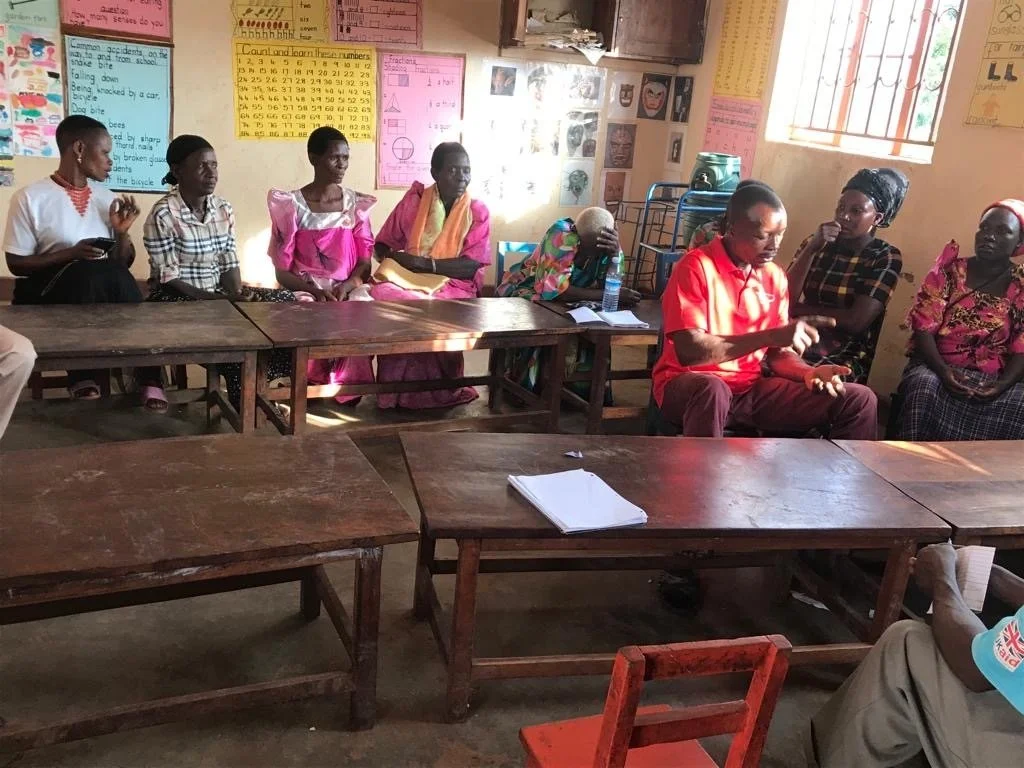
The school staff and school community members lead the entire process from the initial stages of exploration to planning and execution.
Then, our U.S. staff and Colorado community partners raise funds for the initial investment money and continued expansion investments, if needed, depending on the business.
Ugandan partners use this money to build out the business, then review and audit the business throughout the year.
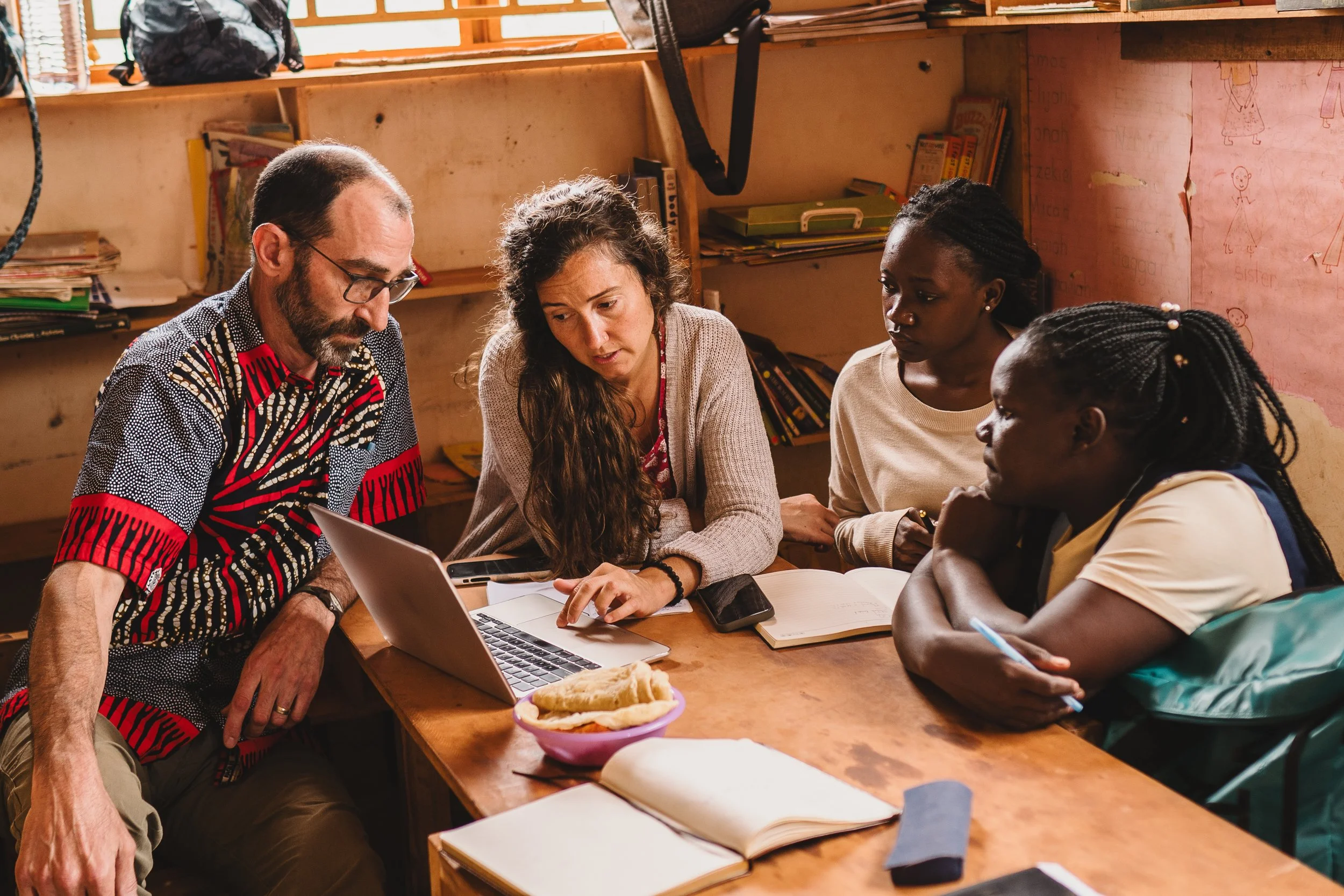
When our U.S. staff visits each summer, we perform a group review to see what changes need to be made in order for the business to continue turning a profit.
Parents’ Junior Social Enterprise Program
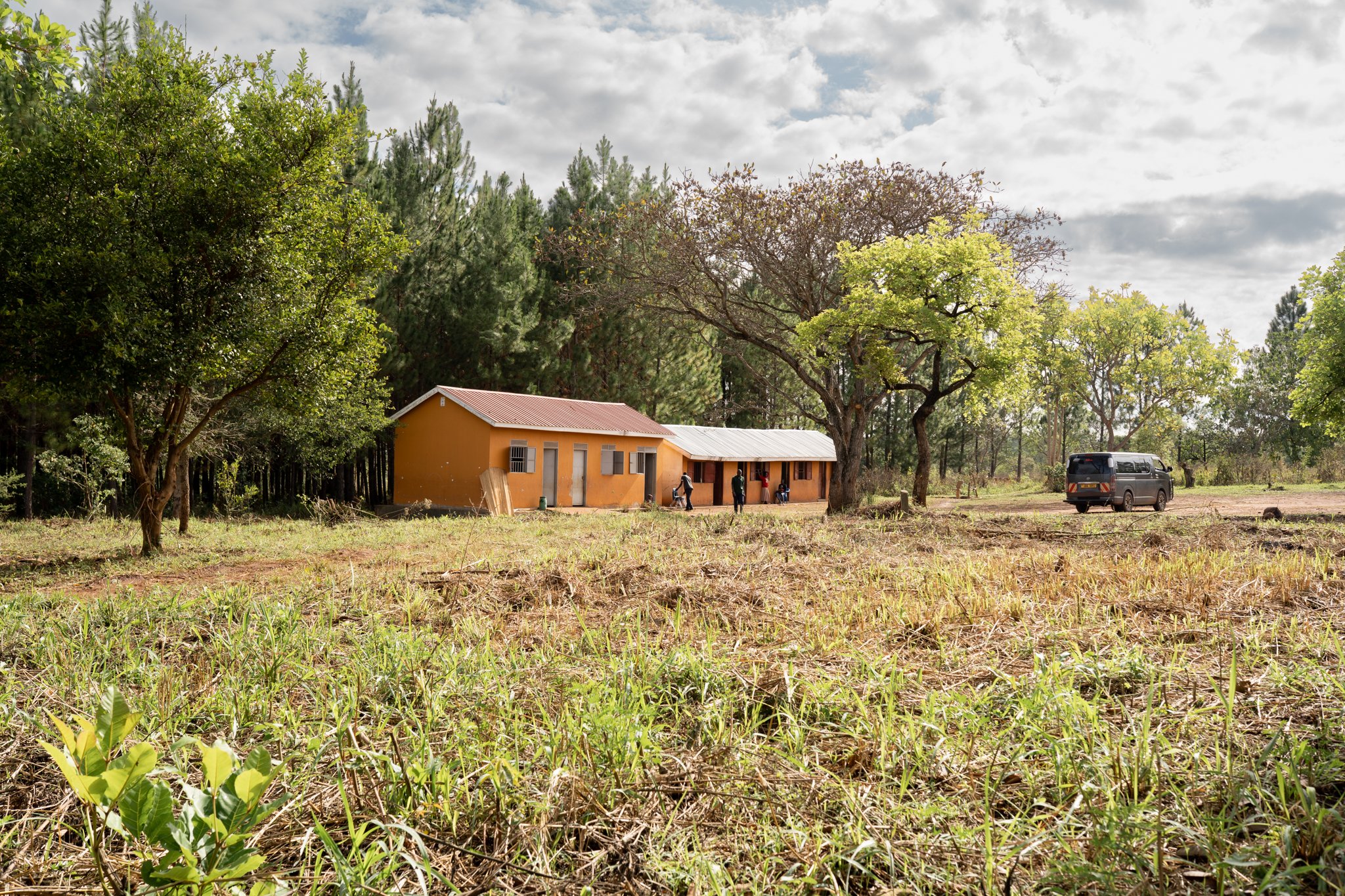
Located outside Gulu City in rural, Northern Uganda. Due to the school’s remote location, its businesses are primarily focused on agriculture and the rural markets to which it has access.
-
A pair of oxen and one plow work year-round to prepare local farms for the area’s biannual growing seasons.
Profit Share: School: 20%, Business Savings: 75%, Managers: 5%
-
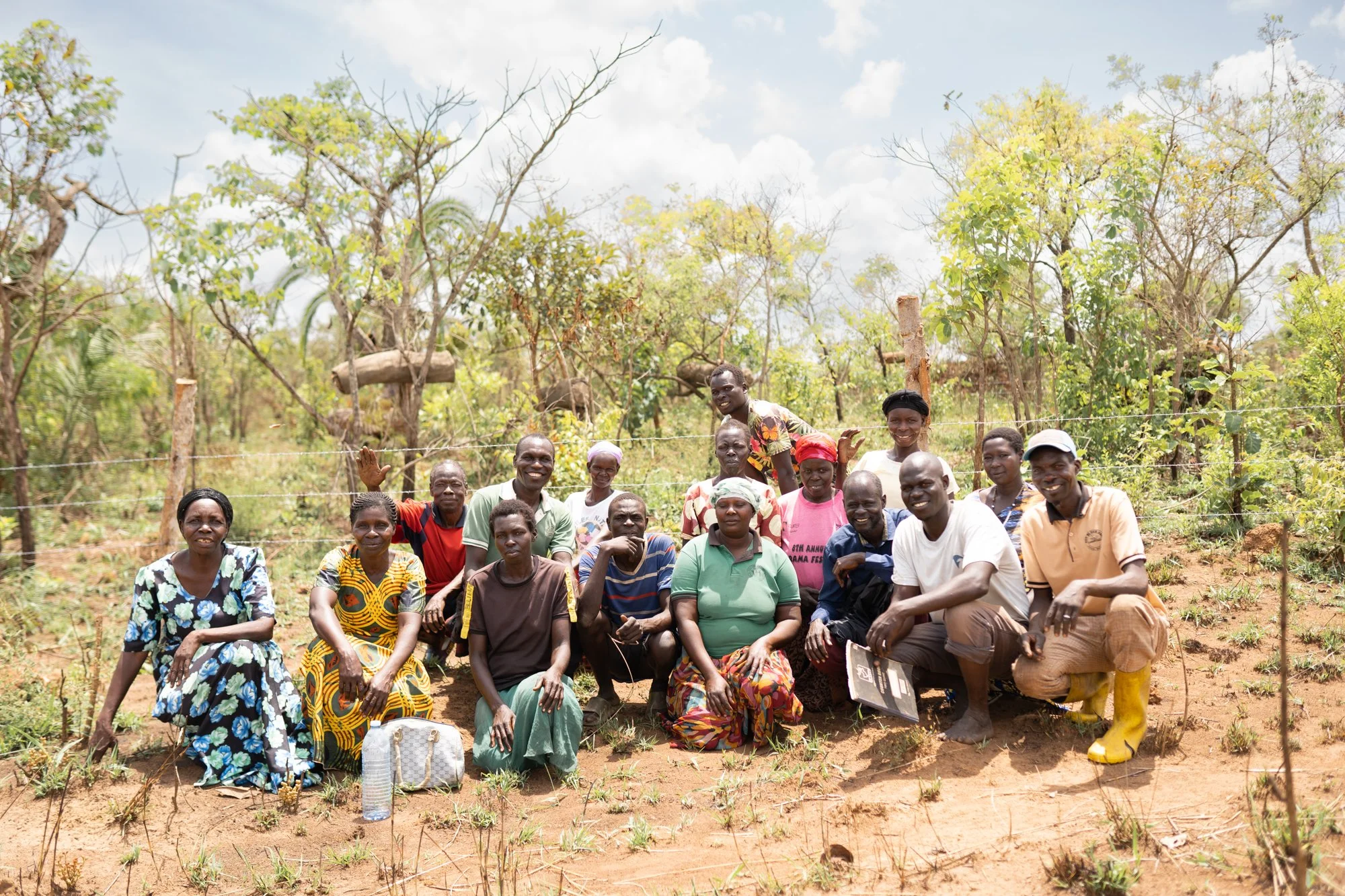
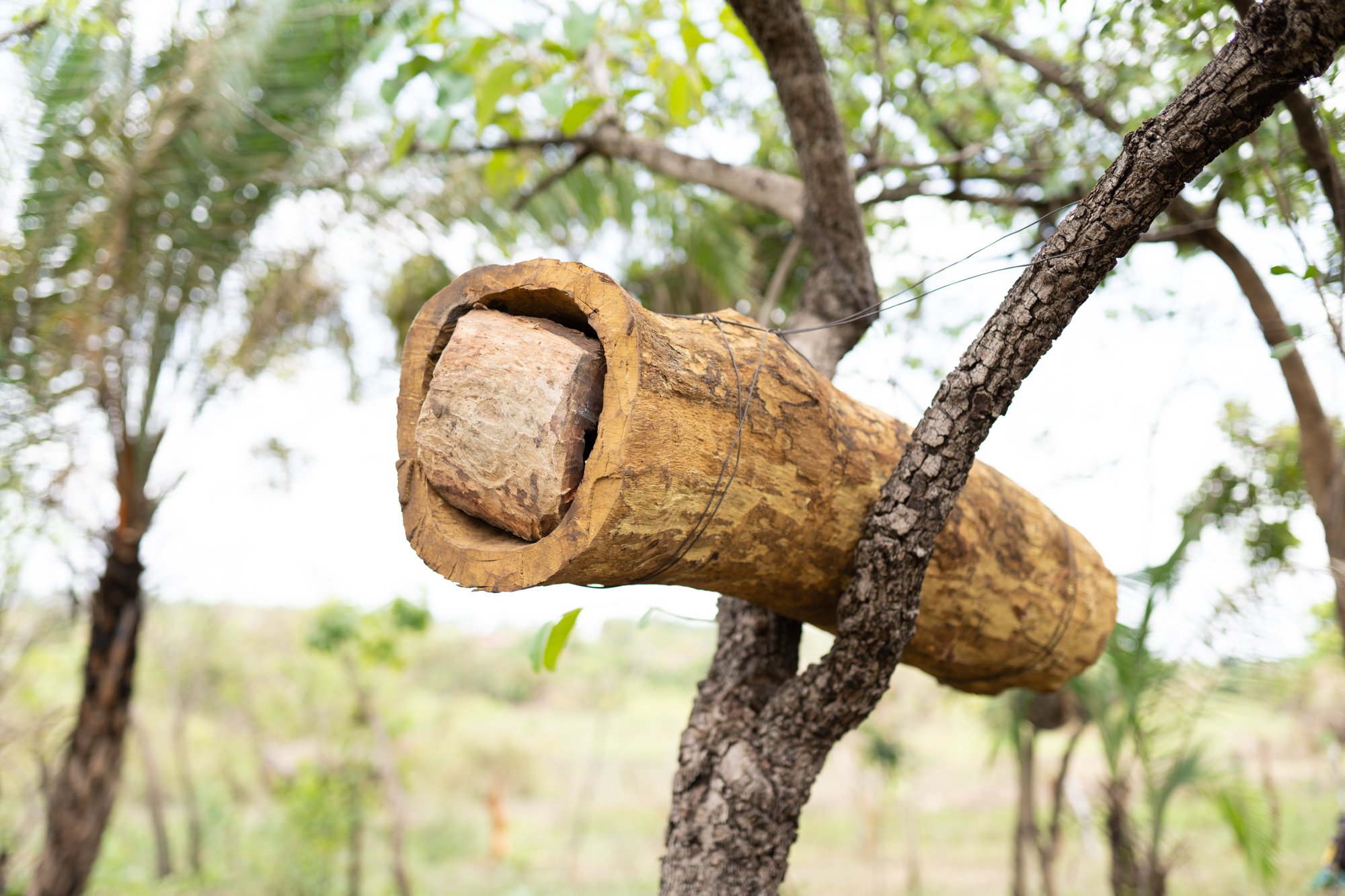
Parents’ Junior leases this business to an individual manager, Patrick, near Gulu City, who has experience successfully managing hives.
Patrick keeps 40% of the honey, wax, and propolis yields, and PJS receives 60%.
Profit Share: School: 50%, Business Savings: 20%, Managers: 30%
-
This business serves as the grain mill for surrounding neighborhoods, decreasing the walk for people to other mills. The original landowner, Martin, has donated acreage to the school throughout the last decade so it can grow and support area families, including donating the land for the grain mill.
Profit Share: School: 15%, Business Savings: 70%, Managers: 15%

Mwebaza Annex Social Enterprise Program
Located on the outskirts of Kampala, they are uniquely positioned to meet the market needs of urban and rural communities.
-
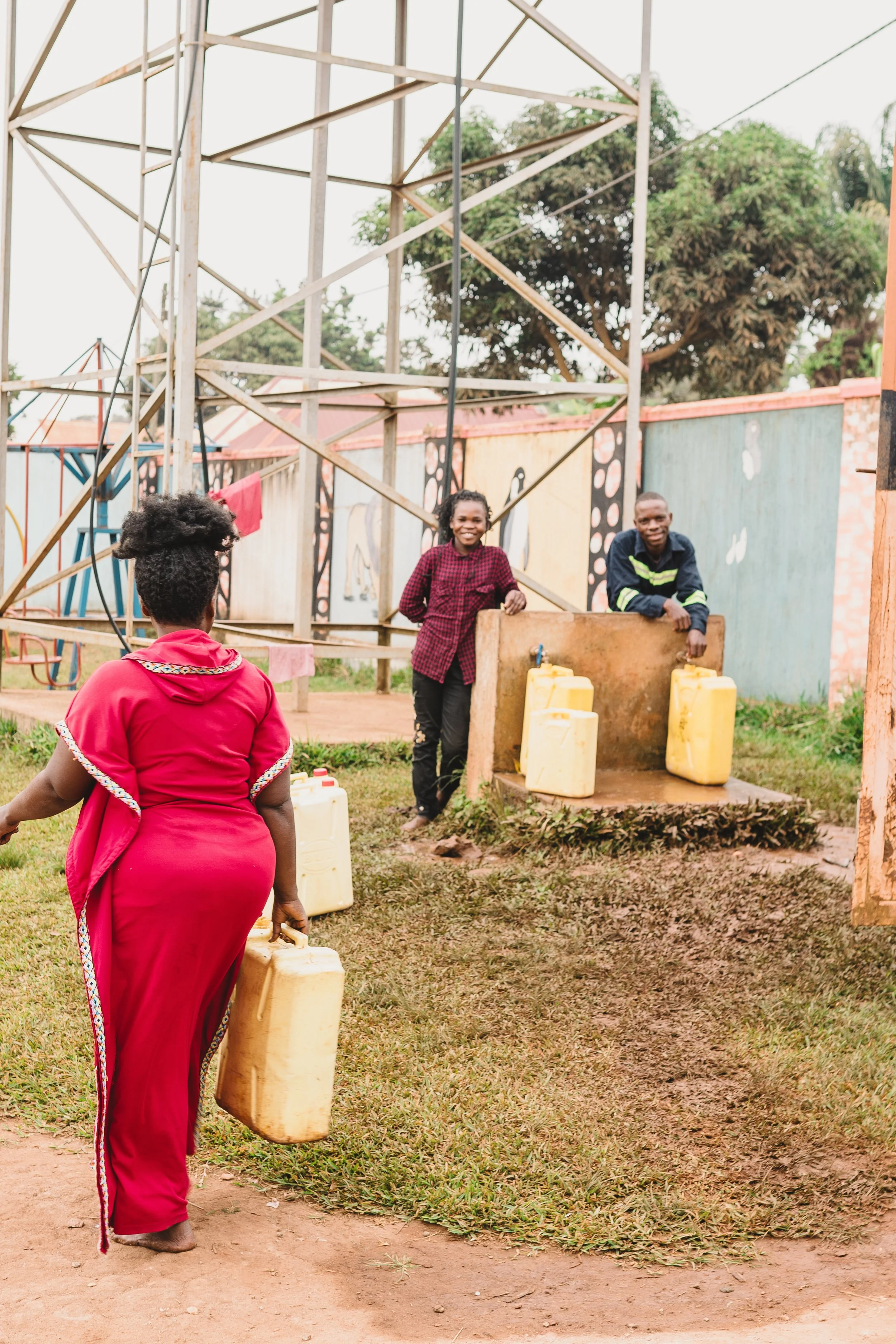
The addition of a borehole well in 2022, funded by Brodsky Research and Consulting, serves two purposes. It provides the school with clean water and allows business managers to sell clean water to neighbors.
Marione Nawaggi, Mwebaza Annex School Director, manages the sale of water to residents.
Profit Share: School: 80%, Business Savings: 10%, Managers: 10%
-
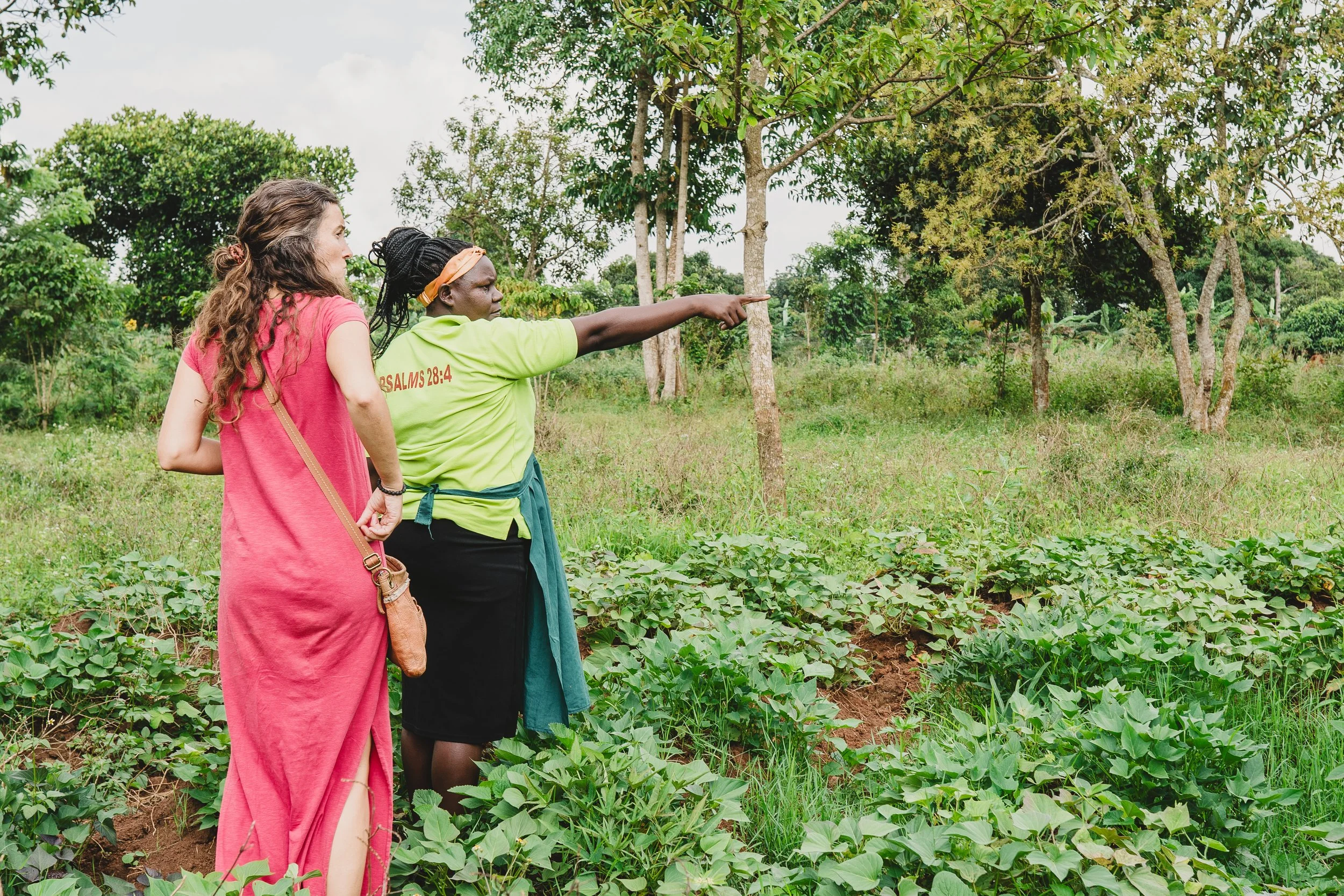
Mwebaza Foundation purchased this land in March 2025 while Annex School explored business options.
They chose to start a vetiver farm because vetiver is drought-tolerant, and they have a reliable connection to export the roots and sell them to manufacturers for essential oil production.
Profit Share: School 30%, Business Savings: 50%, Managers: 20%
St. Paul School Social Enterprises
This school is located 10 km inland from Lake Victoria, just outside of rural Nkokonjeru, Uganda. They are uniquely positioned to meet the needs of a growing city while working to serve its rural neighbors.
They’ve run these businesses so successfully that now they are offering scholarships to orphaned children so they may attend school tuition free.
-
St. Paul manages a vehicle rental service with a 14-passenger van. They hired a local, licensed driver who rents the vehicle for 650,000 UGX per week for private hire.
Profit Share: School: 50%, Business Savings: 40%, Managers: 10%
-
St. Paul School parents and nearby residents invest their money in a growing VSLA, which is a local micro-lending program organized by the community.
Mwebaza Foundation contributed the initial 10MM UGX for the VSLA’s lending. Members meet weekly and can invest their money. Participating members take out loans and pay the fund back with 10% interest.
Every 6 months, the school reinvests 1MM UGX from these interest payments back into the lending pot and keeps any remainder.
-
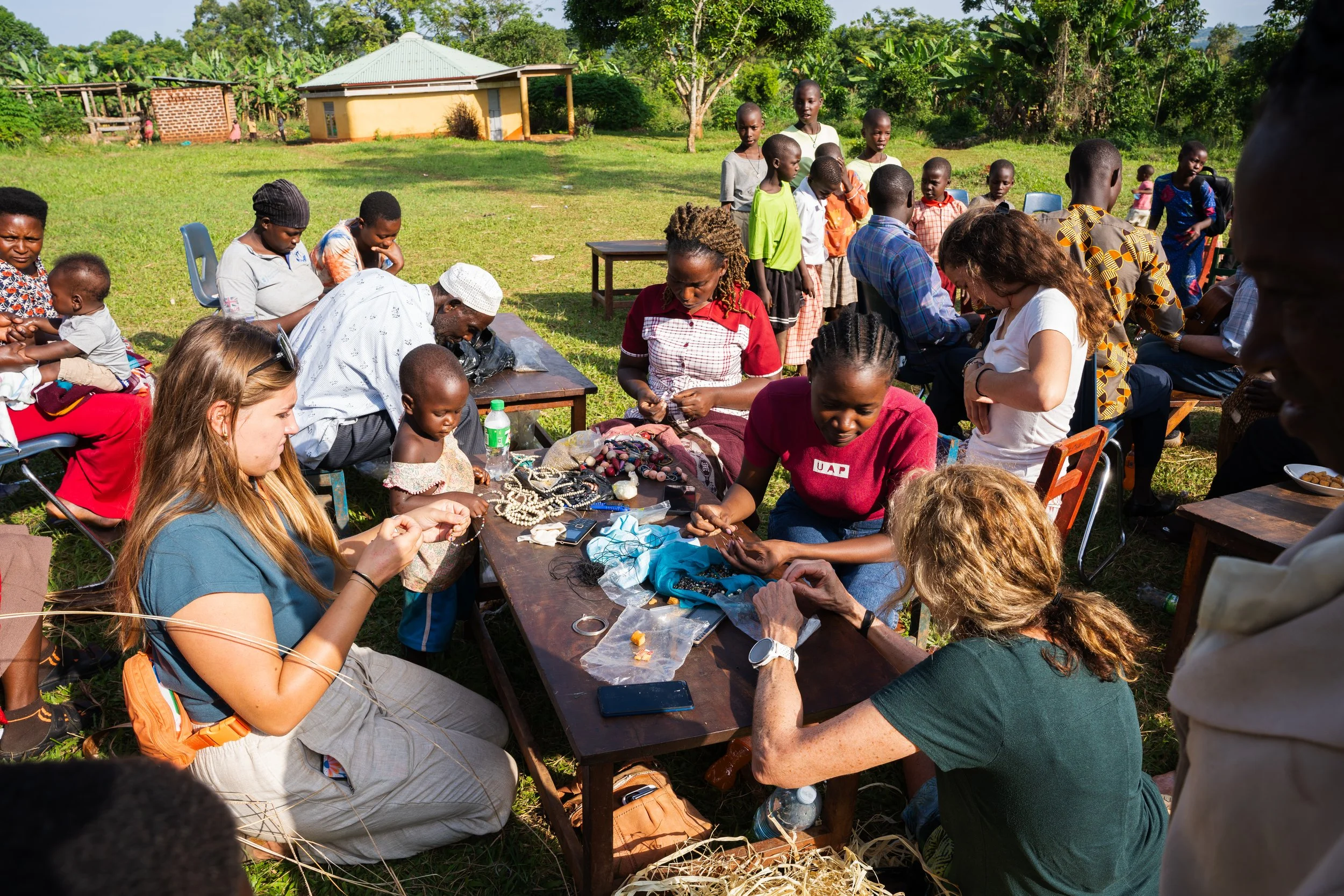
Madame Sylvia, the headmistress of St. Paul School, along with members of her family and community, hand-make jewelry and baskets for Mwebaza to sell in Colorado.
Shop handmade East African goods here to support this enterprise!
Profit Share: School: 60%, Business Savings: 30%, Managers: 10%
-
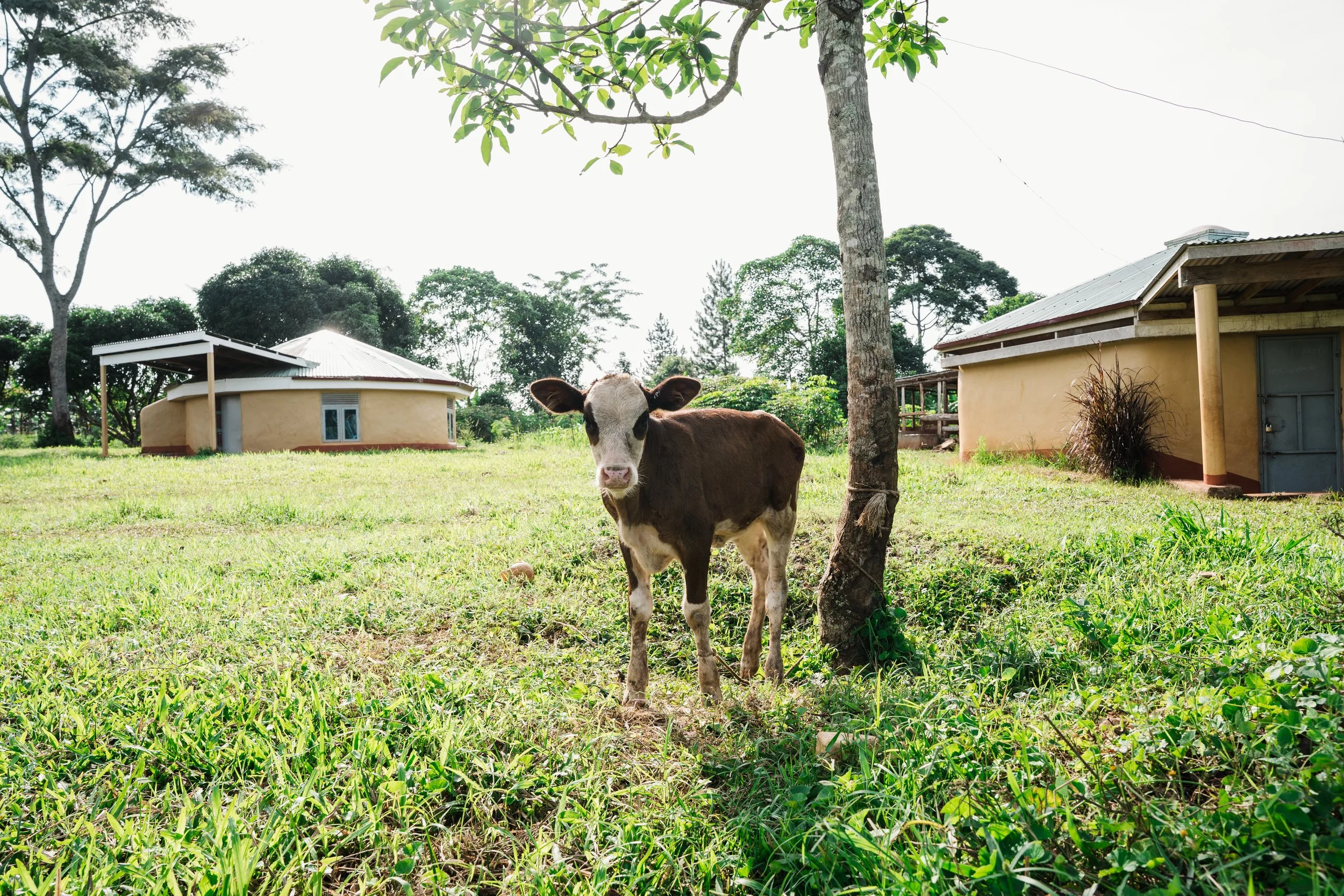
Teacher Tonny manages this business. In 2026, the local water source was poisoned, and many cows in the area died, including St. Paul’s.
We are reviewing this business to determine if we should restart this social enterprise and mitigate this risk.
Profit Share: School: 40%, Business Savings: 40%, Managers: 20%
-
Near Nkokonjeru, Uganda, St. Paul opened a restaurant serving traditional Ugandan food to residents and visitors. They identified a gap in the market (a lack of restaurants in the town) and knew the area’s rapid development would support the success of the restaurant.
Profit Share: School: 40%, Business Savings: 40%, Managers: 20%.