Traveling to Uganda: A Trip Unlike Any Other
Mosquito nets, motorcycle taxis, and playing charades with a language barrier.
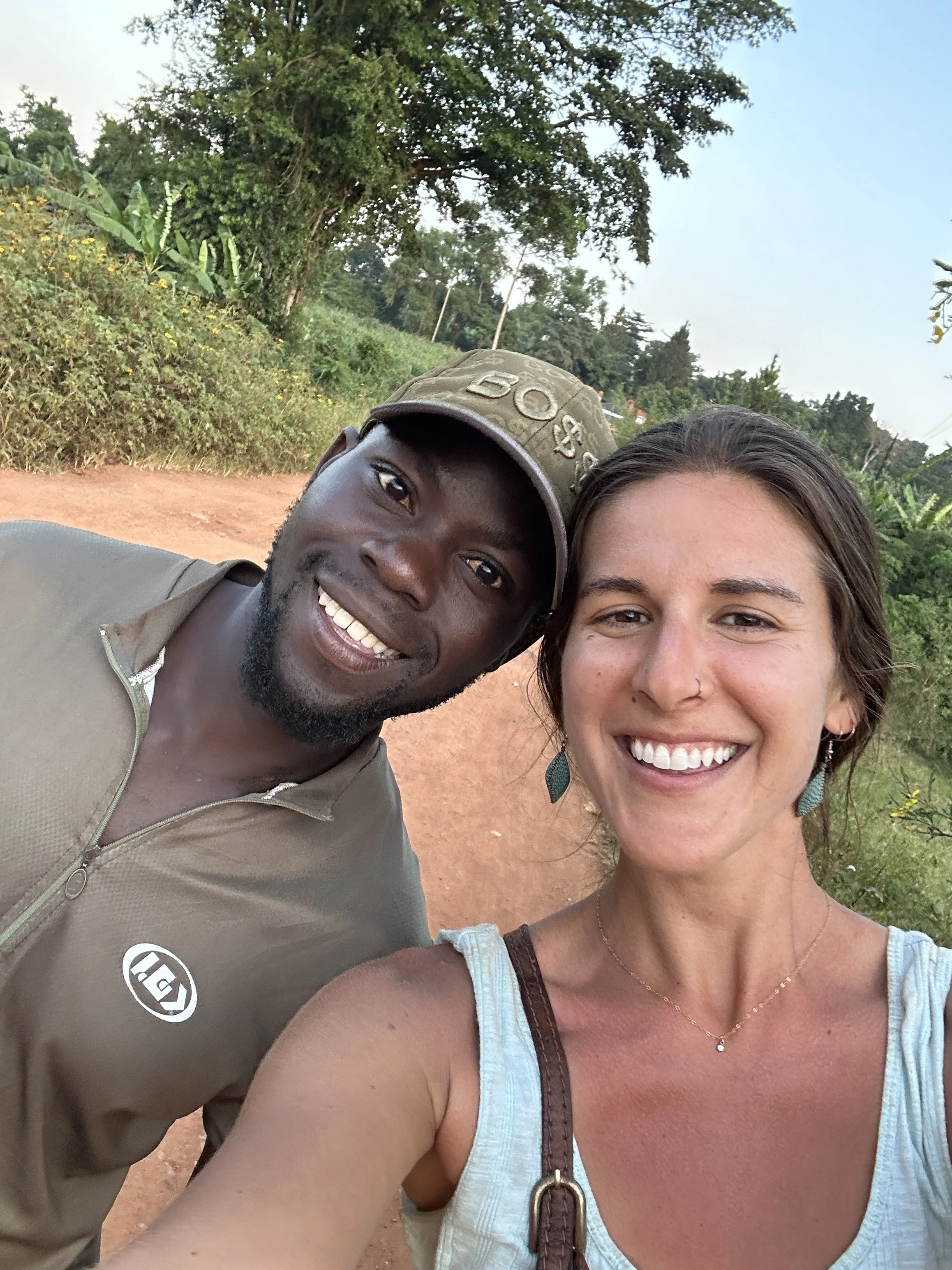
When we visit St. Paul School in Nkokonjeru, Uganda, we stay with a long-time friend named Claire. This might be one of our favorite aspects of this work - sharing a home with a Ugandan family, dining together over a home-cooked meal each night, and falling asleep on cozy sleeping pads under mosquito nets.
Nkokonjeru is a relatively small town with a population of about 10,000 people, but that doesn’t mean it’s quiet. At night, the main street through town comes alive with people - running errands, sharing drinks, shopping, and catching up after a day at work. Unlike many of our Colorado partner school cities that get quiet and sleepy at night, most Ugandan cities teem with life, work, and community when the sun goes down.
This might be our most authentic Ugandan experience, and we love sharing it with visitors. During our off hours, we’ve done everything from:
attend a silent disco in a taxi car park just a few blocks from Claire’s house
celebrate a completed building project with the construction crew at a bar downtown (where we played a hilarious and unsuccessful game of charades)
join Claire and her friends to watch a highly anticipated soccer match at their favorite restaurant, “Bombardiers”
walk the three miles home from St. Paul School and buy the various treats from street food vendors like fresh-made popcorn, seasoned fresh corn, and roasted chicken
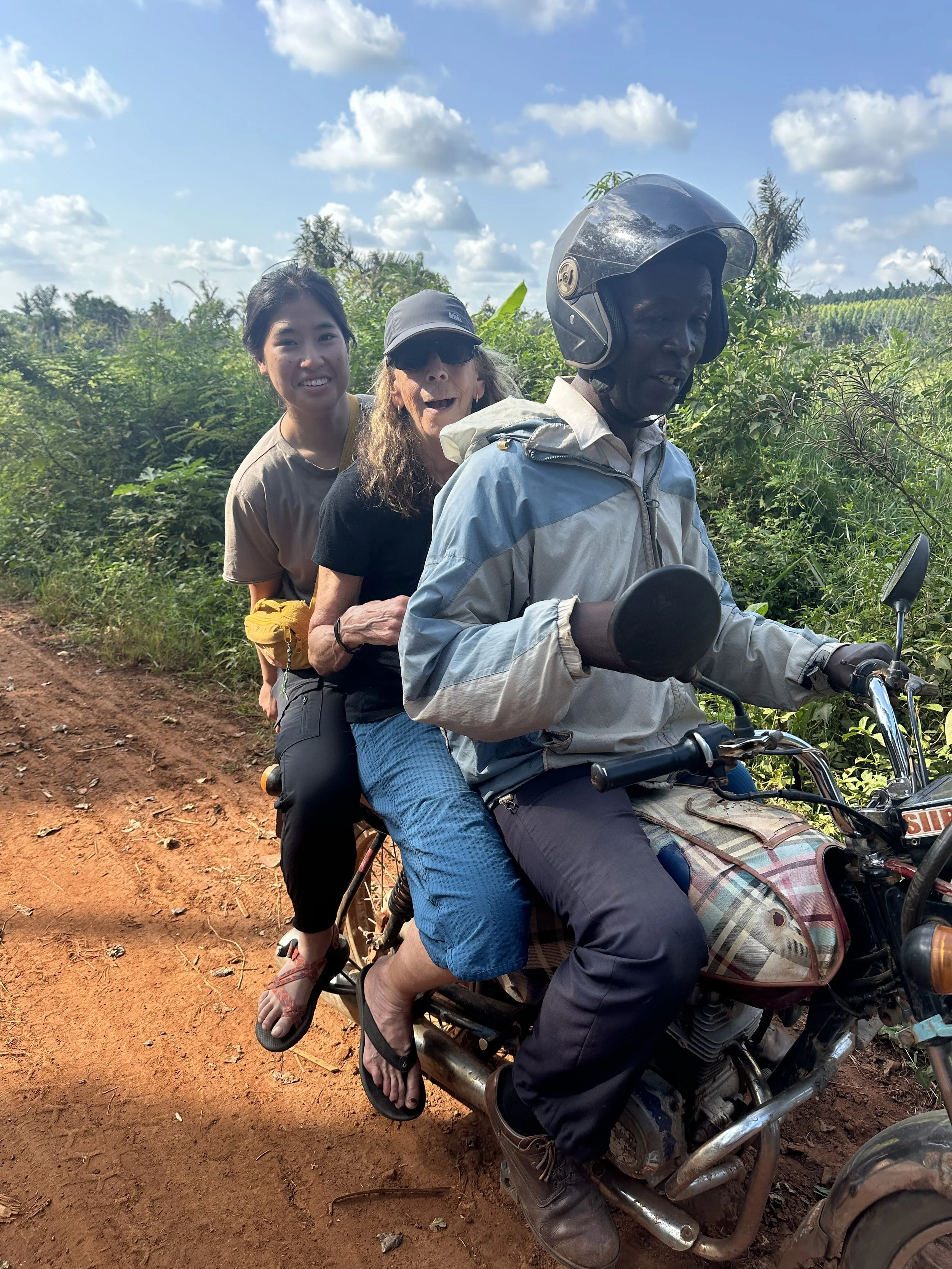
take motorcycle taxis from St. Paul to the shores of Lake Victoria and hire a fishing boat to take us out on the lake (this is our absolute favorite activity)
We LOVE our time in Nkokonjeru.
Madame Agnes began teaching neighborhood children from her home many years ago. Eventually, she incorporated as “St. Paul School” and hired more teachers over the years. Now, Madame Sylvia and Teacher Tonny help her run the entire school operation, which includes three businesses, a community-run VSLA (micro-lending organization), and educates anywhere from 50 to 75 students each year. Agnes continues to serve the children in her community by opening up her home to children without parental care, running a scholarship program so they can attend school, and coming together with her community to pool the resources needed to improve the school facilities and expand its impact. Read more about the school’s business projects.